©2026 Fresh Air Heating, Cooling & Indoor Air Quality. All rights reserved. A Trades Mosaic Company, designed by RMH Websites.

.svg)

.svg)

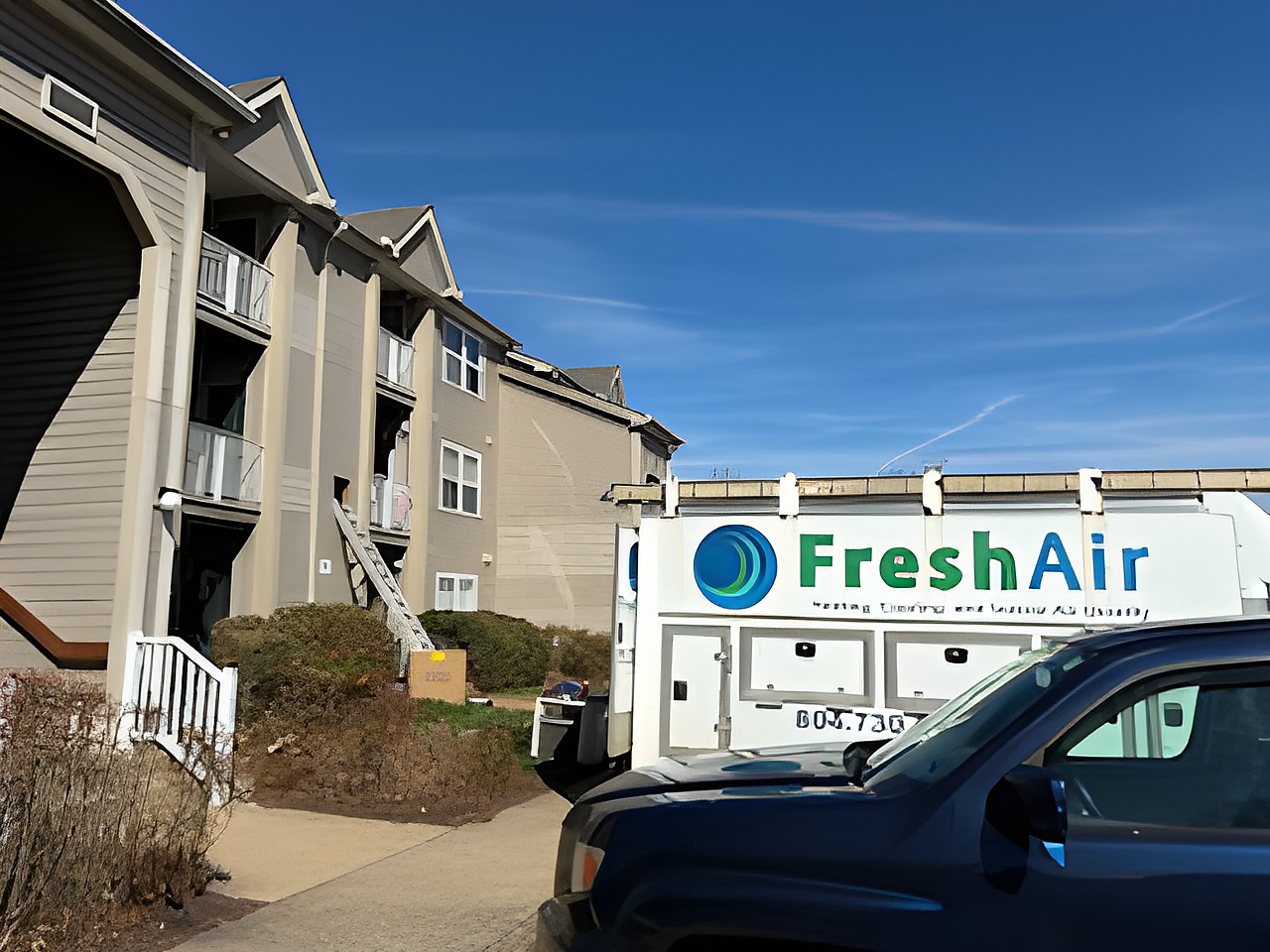
A garden-style apartment community in Glen Allen had been working with a previous HVAC contractor on an emergency-call-only basis. There was no scheduled maintenance program, no equipment tracking from one service call to the next, and no clear pricing structure on repairs or replacements. The property manager, Nick Matullo, was dealing with a steady stream of tenant complaints (mostly about cooling failures in the summer and heat failures in the winter), surprisingly high quarterly repair bills, and turnover prep delays between leases because HVAC issues kept getting discovered on move-out inspections. He reached out to Fresh Air looking for a real partnership.
A custom service contract covering every unit on the property. The agreement includes spring AC tune-ups on every unit, fall heating tune-ups on every unit, quarterly filter changes managed by Fresh Air technicians (so individual tenants do not have to remember), priority dispatch for tenant service calls (typically same-day during business hours), discounted repair and replacement pricing at a flat per-unit rate that the property could budget against, and turnover-ready unit prep between leases so units came back on the market faster.
We started by inventorying every unit's equipment. We logged make, model, install date, refrigerant type, last service, and any known issues into the property management software the team was already using. That meant when a tenant called in with a problem, the dispatcher could pull up the unit's full history in seconds, including which technician had been out last and what work had been done. No more sending someone out cold and figuring it out when they got there.
A tenant submits a maintenance request through the resident portal. The property management team triages it and forwards HVAC calls directly to Fresh Air's dispatch. Our dispatcher confirms a same-day window with the tenant when possible, dispatches the closest available technician, and updates the request status in real time. Most calls are resolved on the first visit, which keeps tenants happy and keeps the property out of follow-up loops.
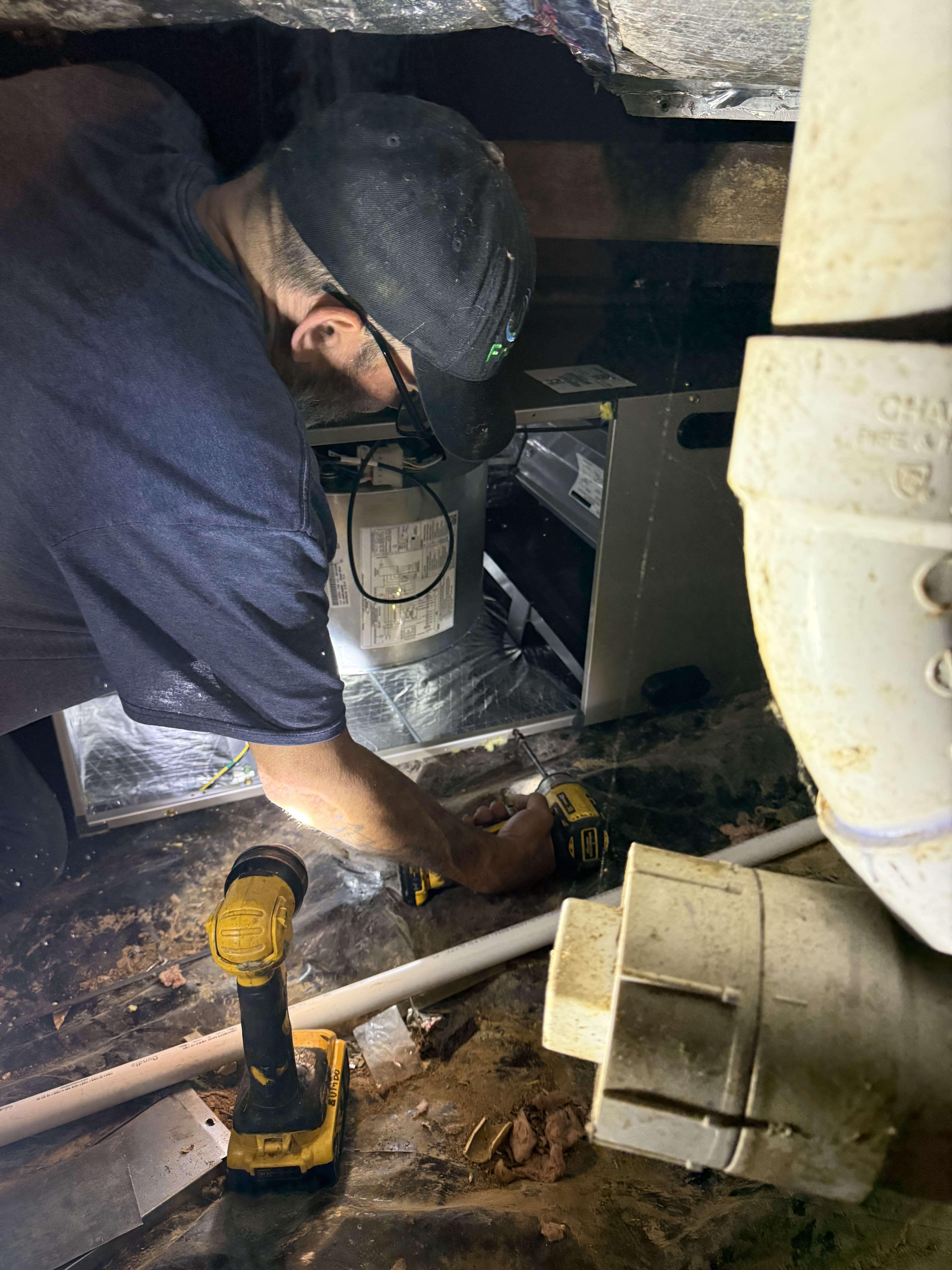
When a unit comes off lease, the property's turnover team puts in a request for an HVAC turnover inspection. Our tech runs a complete operational check (cooling capacity, heating output, refrigerant charge, condensate drain flow, filter condition, and any safety items), flags anything that needs attention before the next tenant moves in, and either fixes it on the spot or schedules the follow-up for that week. The result is that units are HVAC-ready by the time the cleaning and painting crews finish, instead of the equipment being the bottleneck.
Emergency call volume dropped noticeably in the first six months and continued to drop through the first full year of the contract. Tenant complaints about HVAC issues went down across both summer and winter. Turnover times shortened by about a day on average. And the property manager has a single phone number and a single point of contact for the entire HVAC operation, which makes budgeting and reporting up to ownership a lot cleaner.
Reactive HVAC service (emergency calls only) is almost always more expensive over a full year than a planned maintenance contract. Tune-ups catch the failing capacitors, the slipping belts, and the early-stage compressor issues before they become emergency calls in July or January. The savings show up in three places: lower emergency rates compared to scheduled rates, fewer full-system replacements driven by neglected equipment, and shorter turnover times because move-out inspections are not surprises.
Fresh Air handles multi-family HVAC for several Richmond-area communities and has been doing this since 2011. Licensed in Virginia under 2710051155 (HVAC) and 2705143403 (electrical, gas, and plumbing). One contractor for the whole property, one set of records, one point of contact.

.svg)



.svg)