©2026 Fresh Air Heating, Cooling & Indoor Air Quality. All rights reserved. A Trades Mosaic Company, designed by RMH Websites.


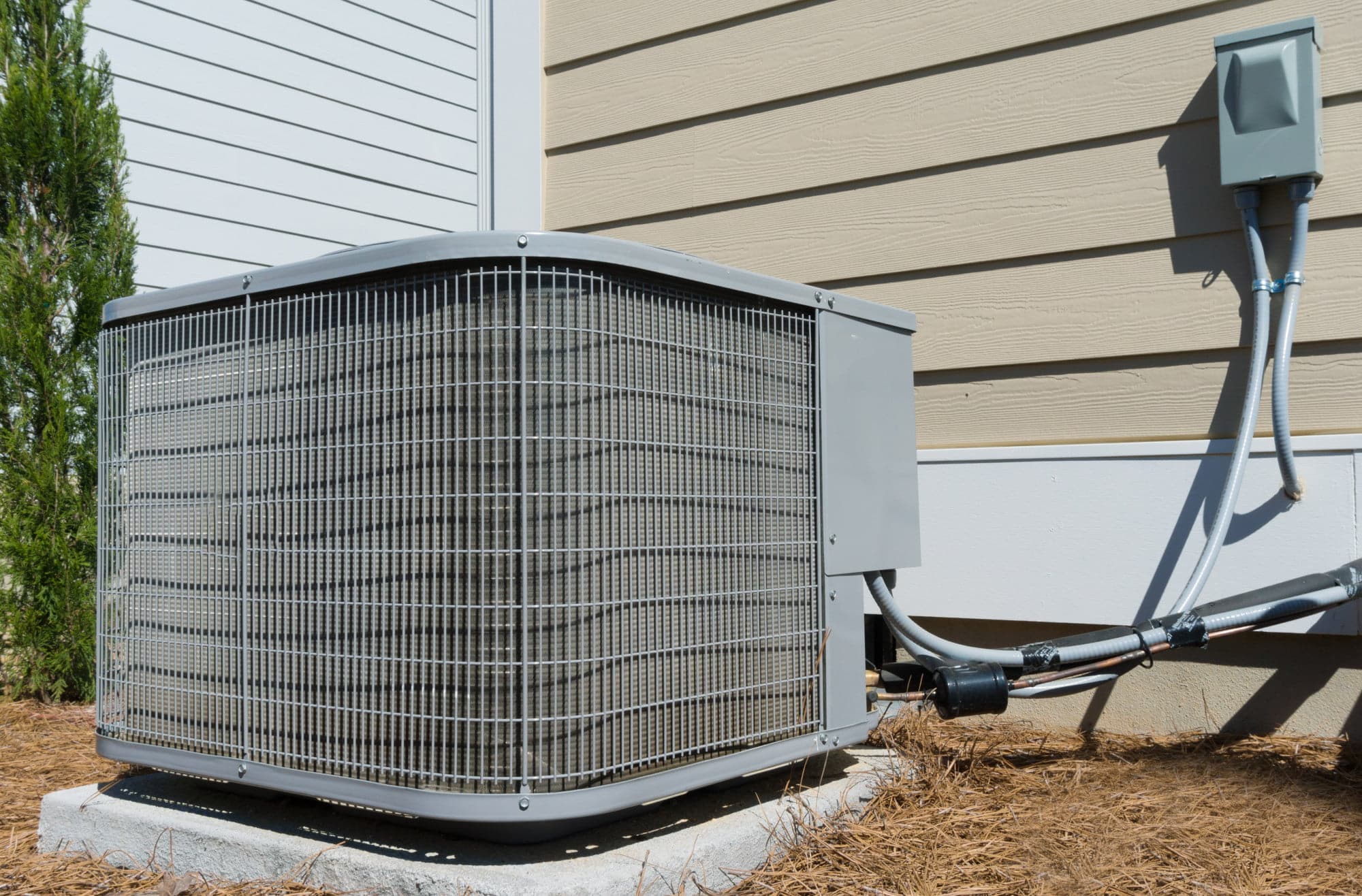
A homeowner in Chesterfield called us at 2 p.m. on a Saturday afternoon in July with no air conditioning. Outdoor temperature was 95 degrees, indoor was creeping past 84 and climbing, and the family had a toddler and a dog in the house. The condenser outside was running but the air coming out of the registers was room temperature. The homeowner had already checked the thermostat, the air filter, and the breaker panel before calling, which is exactly the right set of things to check first.
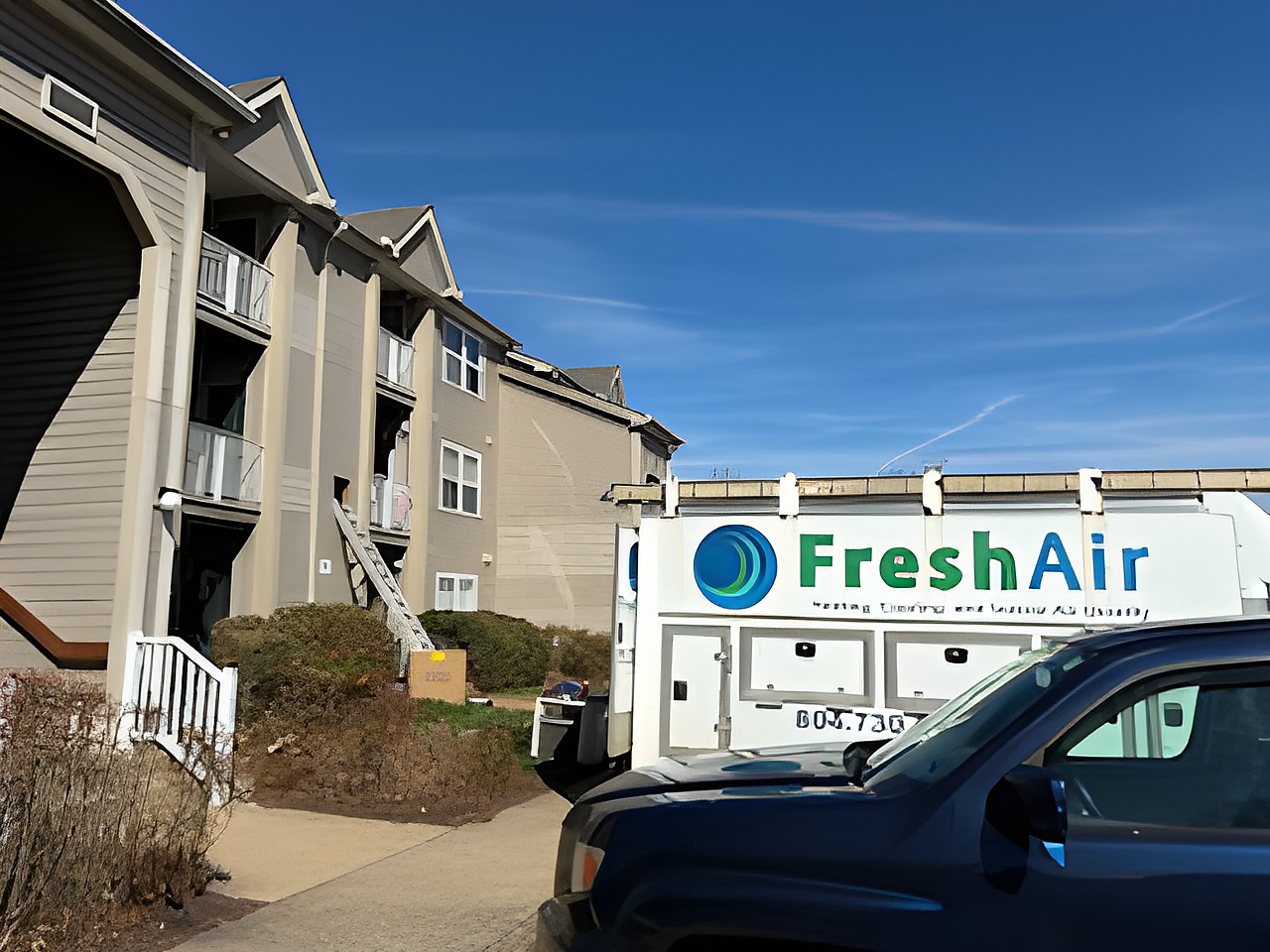
Mustafa, one of our techs, was finishing up a tune-up a few miles away. Dispatch routed him directly to the Chesterfield home, and he was on site within 45 minutes of the call. We try to dispatch the closest available technician rather than the next-available in line, because on a 95-degree afternoon, response time is the difference between a comfortable evening and a long, hot night with a toddler.
The capacitor on the outdoor unit had blown. Capacitors are the most common single-component failure on residential AC systems, especially on the hottest days of the summer, because that is when the unit is running at maximum load for the longest stretches. A failed capacitor means the fan motor and compressor cannot start under load, which is why the unit was running (the contactor was engaging) but no cooling was happening (the compressor was not spinning up). Mustafa also noticed that the contactor itself was pitted from years of cycling and was due for replacement before it failed in a similar way.
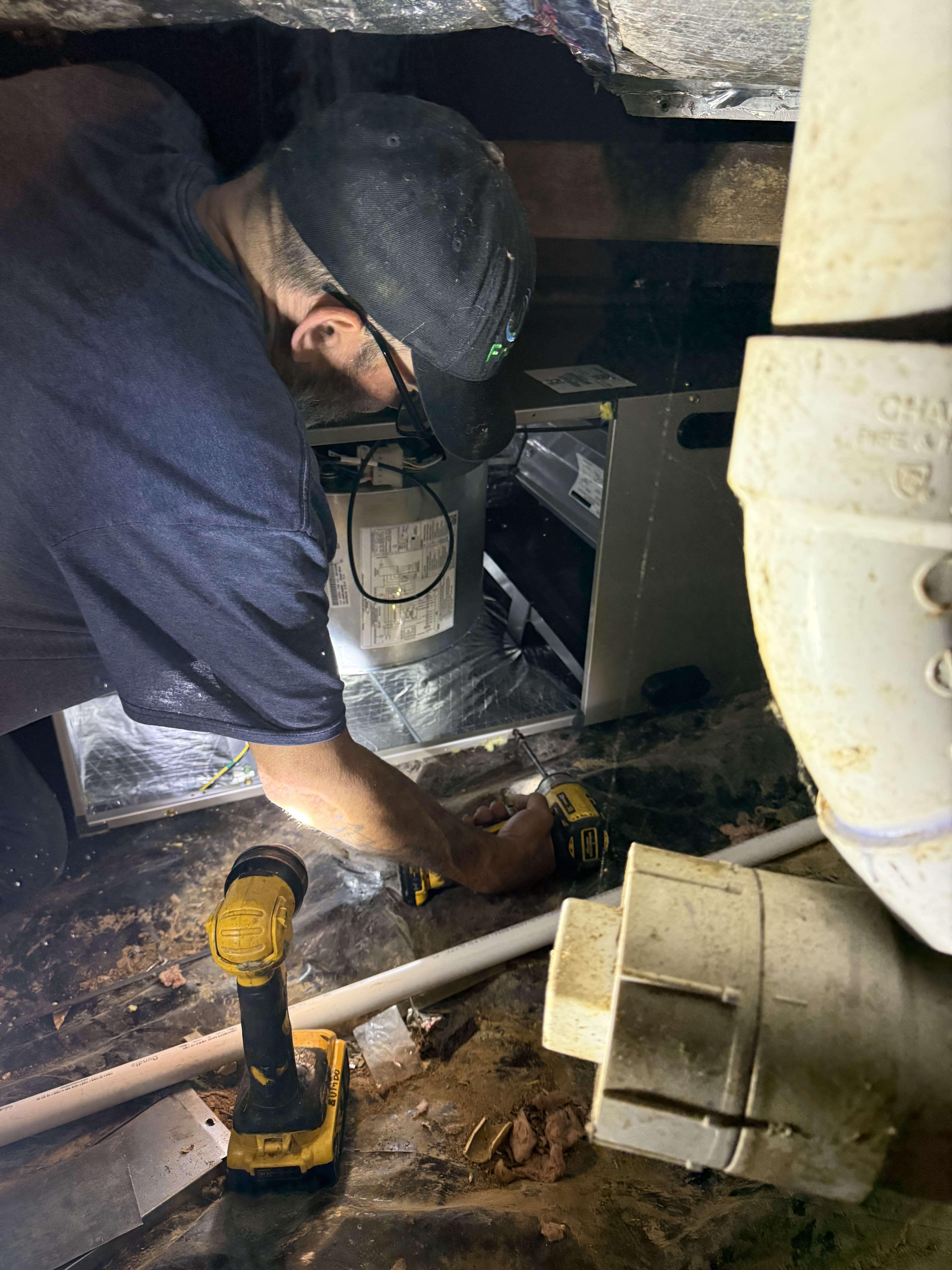
Mustafa replaced the capacitor on the spot from his truck stock, replaced the contactor while he was in there (preventive, but a $35 part and 10 minutes of labor that almost certainly saved another emergency call within the year), and tested the system through a full cycle to confirm it was back to operating spec. He cleaned the leaves and debris off the condenser coils while he was outside, since the coil was about half-blocked and was making the unit work harder than it needed to. Total time on site was just under an hour. By the time he left, the indoor temperature was dropping and the house was on its way back to normal.
He kept the homeowner updated as he went (showed them the blown capacitor, walked them through what it does, explained why he was recommending the contactor swap), gave them a clear written invoice with the parts and labor itemized, and left the work area in the same state he found it. The homeowner mentioned the next morning that it was the calmest emergency AC call they had ever been part of, which is exactly the standard we hold our techs to on these dispatches.
Most emergency AC calls in July and August come down to one of three things: a capacitor (most common), a refrigerant issue (slow leak that finally catches up), or a clogged condensate drain line that triggers the safety float switch and shuts the system down. All three of those are usually fixable on the first visit, which is why most emergency calls do not require a return trip. The exception is a compressor failure, which is rare on a well-maintained system but does happen, and which usually points to a system that is overdue for replacement.
The single most cost-effective thing a Richmond-area homeowner can do for AC reliability is a spring tune-up, ideally in April or May before the first hot weather. A tune-up catches the weak capacitor, the slipping belt, and the slow refrigerant leak before they fail under load on a 95-degree day. Tune-ups run $100 to $150, and they save the average homeowner well more than that in avoided emergency calls and extended equipment life.
Fresh Air dispatches same-day for emergency AC calls in the Richmond area, including evenings and weekends in season. NATE-certified technicians, fully stocked service trucks, transparent pricing, and no upcharges for after-hours service. Licensed in Virginia under 2710051155 (HVAC) and 2705143403 (electrical, gas, and plumbing). Based in Mechanicsville since 2011.
.svg)



.svg)